


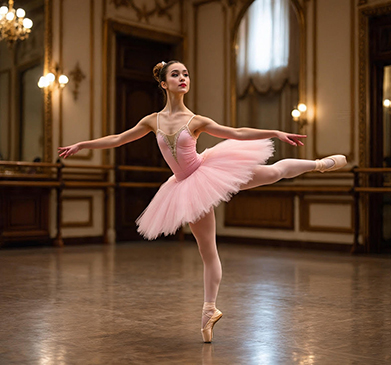
Dance is a particularly demanding sport as it requires both strength and artistry in order to excel. These demands mean injuries are common and can be debilitating to one’s dance journey. In addition, aesthetic requirements of dance can precipitate nutritional deficiencies, which further exacerbate musculoskeletal demand and subsequent injury.
In all styles of dance and all ages, lower extremity injuries remain the most common dance injury. The most important risk factors for injury development are improper strengthening of target muscles, increased flexibility, and increased time spent dancing. The most common injuries include ankle sprains, patellofemoral pain syndrome, ankle impingement syndromes, tendinopathies, and stress fractures. Musculoskeletal strains and sprains are common as dancers have increased flexibility, which leads to increased shearing and stretching of muscles.
Different styles of dance also lead to different types of injuries. Ballet injuries are currently the most studied; however, other styles such as modern, jazz, or acrobatics report injuries throughout. Many ballet dancers receive their first pair of pointe shoes in middle school or early high school. While this is a huge milestone in a young dancer’s life, pointe shoes can lead to injury due to their unique biomechanics. Going up on a pointe shoe means plantar flexing the ankle joint and distributing one’s body weight on the great toe bilaterally. What makes this mechanism unique compared to other sports that require significant ankle plantar-flexion is the distribution of weight on the great toe. Other sports that require the same ankle plantar flexion motion are able to distribute their weight on the ball of their foot, which provides stabilization and a larger surface area to push off for momentum. Ballet dancers on pointe rely on the flat portion of wood on the tip of the pointe shoe for weight distribution, which is often slick and ever-changing due to wear of the shoe.
Proper nutrition is vital to injury prevention in all sports. Dance is unique in that a slender physique has been historically preferred for aesthetic purposes, which can precipitate injuries even further. Decreased caloric intake and vitamin D deficiency can lead to decreased bone health and subsequent fractures. Nutritional deficiencies are also associated with muscle fatigue which predisposes dancers to an array of injuries. A diet high in carbohydrates and protein is preferred as it provides energy and promotes muscle/bone growth.
Early identification of risk factors and prevention is key to reducing injury and can help maximize performance. The main way to prevent injury is proper training, which for dancers focuses on proper mechanics and muscle strengthening. Due to increased flexibility, dancers naturally have weaker intrinsic muscles, which can affect overall strength. Theraband exercises are great for repetitive strength training for lower extremity muscles important in dance biomechanics.
Targeted exercises for quad muscles and hamstrings are also important as they stabilize the knee joint which provides more strength to the distal lower extremity.
In conclusion, injuries among dancers are very common and can lead to lifelong musculoskeletal issues. Many of these injuries are due to overuse, fatigue, or improper strength and conditioning. Majority of injuries are lower extremity injuries; however, back and upper extremity are also prevalent. The current best practices for reducing injury include proper strengthening and conservative measures when the beginnings of an overuse injury are identified. Proper diet of protein and carbohydrates, along with adequate rest are also imperative to reducing injury and improving overall performance.
Please consult with a board certified physician when seeking care for a musculoskeletal injury. This blog post is intended for educational purposes only.


