

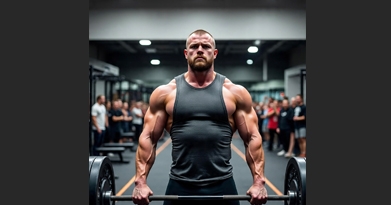

Powerlifting consists of three primary lifts - the squat, bench press, and deadlift - performed at or near maximal loads. When done properly, these movements confer substantial benefits, including increased muscular strength, improved bone density, and beneficial metabolic changes. However, the same factors that make powerlifting effective - high muscle tension and progressive overload - also create a risk of injury, most often to the lower back, shoulders, and knees. Understanding common mechanisms of injury and implementing safety measures while lifting is therefore essential for long-term success for individuals interested in the sport.
Squat-related injuries typically arise from poor form or inadequate mobility. Inward caving or turning of the knees and excessive forward knee travel increase patellofemoral stress and are frequent causes of patellar tendinitis. Rapid, uncontrolled descent places eccentric load on the quadriceps and hamstrings, heightening the likelihood of muscle strain. A non-neutral lumbar spine - whether rounded or hyperextended - increases the risk for spinal disc herniations, especially in lifters with limited hip or ankle mobility. Strategies to minimize injury risk include reinforcing a neutral spinal posture, bracing, minimizing translation of the knees, controlling descent speed, performing targeted warm-ups for the hips, ankles, and core muscles, and wearing protective gear such as knee sleeves or wedged shoes.
The deadlift offers great benefits to overall body strength but is also the movement in which lifters are most likely to be injured. Adductor strains are prevalent among athletes using a wide “sumo” stance without sufficient groin flexibility. Hamstring strains often follow aggressive attempts to accelerate the bar off the floor in the presence of muscular tightness or fatigue. Rounding of the thoracolumbar spine significantly increases compressive and shear forces on the vertebral discs, predisposing lifters to muscle strains and disc herniations. Best practices include maintaining a braced, neutral spine, hinging at the hips to keep the center of mass over the feet and weightlifting bar, and taking weight progression slow. Stretching and mobility work for the hamstrings and adductors further reduces injury risk.
On the bench press, shoulder injury is most common. Excessive elbow flare and protracted (forward-rounded) shoulders narrow the subacromial space, causing impingement and rotator-cuff irritation. Failure to retract and stabilize the scapulae also allows posterior humeral translation, stressing the posterior capsule and labrum, leading to tears. On the other hand, an over-arched back from overly retracting the scapulae can increase risk for back strains. Pectoralis major strains or ruptures are most often observed during heavy, fatigued eccentric phases when bar speed cannot be adequately controlled. Good form for bench press consists of adequate scapular retraction and depression (which can be done with the help of a slight arch to the back), elbows angled roughly 45 degrees from the torso, and disciplined eccentric tempo - dramatically reduces these risks. Structured warm-ups that include rotator-cuff activation and shoulder girdle mobility drills will help minimize shoulder related injuries with bench press.
Across all three lifts, workout programming is just as important as technical proficiency. Gradual load progression - commonly taught as limiting weekly weight increases to no more than 5 percent while simultaneously decreasing reps to maintain overall weekly volume - is an effective strategy against overuse injuries. Powerlifters commonly incorporate a planned deload week, where the weight moved is lowered significantly, every four to six weeks allow musculoskeletal recovery and help address accumulated fatigue. Many experienced athletes rely on a Rate of Perceived Exertion (RPE) or similar feedback metric to adjust daily training loads in real time, thereby accounting for variability in how you feel on a particular day (if you are not feeling it that day, don’t force the lift!). Lastly, contrary to popular belief, competitive powerlifters rarely perform true one-rep-max attempts in regular training (rarely more than once every two months or so). Keep most sessions at intensities well below maximal levels to facilitate skill refinement, muscle memory, and recovery.
In conclusion, powerlifting is a comparatively safe strength sport when approached with disciplined technique, safe programming, and allowing adequate recovery. Most injuries are preventable and stem from compromised form, insufficient warming up, aggressive load progression, or disregard for fatigue signals. By maintaining these safe practices, athletes can reap the performance and health benefits of powerlifting while minimizing the risk of injury.
If you are thinking about getting into powerlifting, partner with a strength and conditioning coach or trainer. If you are injured from weightlifting, see a board certified sports medicine physician with CAQ certification.


