

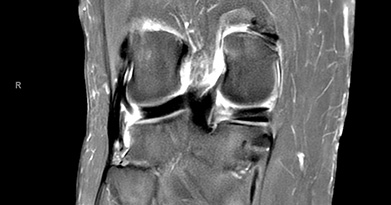
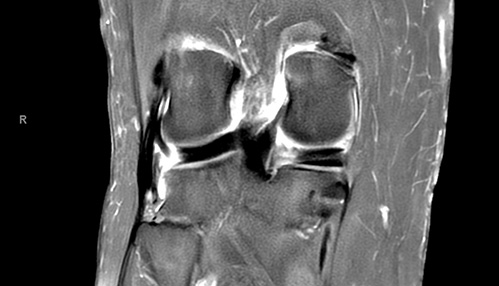
If you or a loved one has recently been diagnosed with a meniscal root tear, you might be wondering how it differs from a typical meniscus injury. While many degenerative meniscal tears can be managed with physical therapy or minimal trimming, a meniscal root tear is a serious orthopedic condition that demands attention.
Biomechanically, a root tear is the functional equivalent of having your entire meniscus removed. Understanding why this specific injury is so severe can help you make the right choices for your long-term mobility.
What Makes a Root Tear So Dangerous?
The meniscus is a C-shaped piece of soft tissue that acts as the primary shock absorber for your knee. To do its job, it must be anchored firmly to the shinbone (tibia). The "root" is that crucial anchor point.
When a root tear occurs, the anchor is entirely severed or severely torn. Without this stabilization, the meniscus cannot handle "hoop stress"-the circular pressure generated when you walk or run. Instead of absorbing shock, the meniscus physically slides or extrudes out of the joint.
This causes several severe complications:
- Skyrocketing Joint Pressure: Contact pressure within the affected knee compartment can immediately surge higher.
- Rapid-Onset Osteoarthritis: Because bone rubs directly against bone, cartilage degenerates at an alarmingly accelerated rate over the subsequent few years.
Recognizing the Symptoms
Many people experience a meniscal root tear from a minor, everyday event-such as stepping off a curb awkwardly or deep squatting-while others suffer trauma from sports. The most common indicators reported by patients include a loud popping sound at the time of injury, severe pain in the knee, swelling, and an inability to comfortably bear weight.
Because these symptoms mirror other joint issues, root tears are sometimes called a "silent epidemic" and can be easily missed on standard physical exams. An MRI scan is essential to properly visualize the root attachment and confirm the diagnosis.
Treatment Options: Why Early Action Matters
Historically, surgeons simply trimmed away damaged meniscal tissue. However, clinical research has revolutionized this approach. Trimming a root tear does not fix the underlying stability.
Today, the gold standard is arthroscopic meniscus root repair. A surgeon passes strong sutures through the torn root, drills a tiny tunnel into the shinbone, and pulls the anchor back into its anatomical position.
| Treatment Approach | Best Suited For | Long-Term Goal |
|---|---|---|
| Surgical Repair | Active patients, minimal pre-existing arthritis. | Restores natural knee biomechanics and prevents or slows down arthritis. |
| Conservative Management | Elderly or less active patients, advanced pre-existing arthritis. | Manages pain and symptoms via physical therapy and injections. |
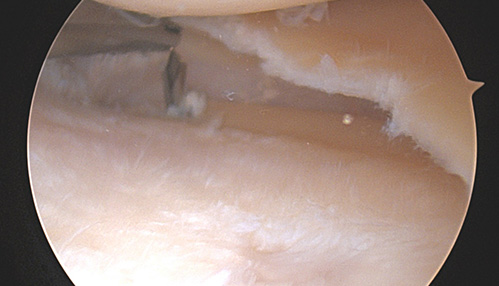
Figure 1
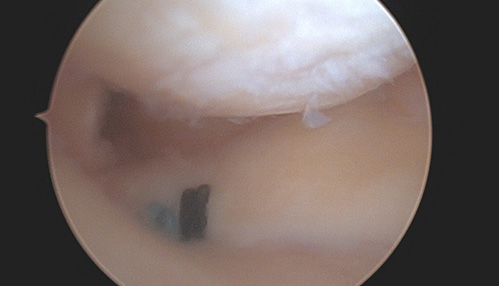
Figure 2
Figure 1 shows an arthroscopic image of the meniscal root tear. Figure 2 shows an arthroscopic image after the sutures have been tensioned down to repair the root.
The Road to Recovery
If you undergo a root repair, patience is required. To let the anchor heal securely to the bone, patients typically are non-weightbearing on crutches for approximately 6 weeks. Early physical therapy focuses on safely restoring motion without overloading the joint. Research shows that meniscal root repairs overall exhibit good outcomes, with improvement in function and lowest risk of conversion to knee replacement.
A meniscal root tear is a serious fork in the road for your knee health. If your doctor recommends a meniscectomy or conservative care, please be sure to seek a second opinion from a board certified sports medicine surgeon.
Amit Momaya, MD is a board certified orthopedic surgeon who specializes in sports medicine. He serves as the Chief of Sports Medicine at UAB and resides on the editorial board of research journals. He performs the highest volume of meniscal root repairs in the state of Alabama. This blog post is for educational purposes only. Please consult with your physician for a discussion on the management of meniscal tears.


